Hard cheese is a kind of cheese that feels firm or grainy. It has low moisture, usually from 30% to 40%. Hard cheese is aged for a long time. These cheeses feel heavy and solid when you touch them. They often get strong and interesting flavors as they age. People like to grate hard cheese on food or eat it as a snack. Cheese cakes and frozen desserts from Suzhou Fulan Sweet Food Co., Ltd. can taste better with hard cheese. Hard cheese adds more flavor and texture to these foods.
Hard cheese has less water, about 30-40%. It feels firm and can break apart easily. This makes it good for grating and slicing.
Hard cheese is aged for at least nine months. This gives it strong flavors and crunchy bits. These make the cheese taste and feel better.
Cheeses like Parmesan and Cheddar are popular hard cheeses. They are made from different milks and places. Each one tastes special.
Hard cheese stays good longer than soft cheese. Keep it in the fridge and wrap it in paper. This helps it stay fresh and tasty.
You can use hard cheese in many foods and desserts. It works well in cheese cakes and frozen cakes. It gives them a rich taste and better texture.
Hard Cheese Characteristics
Texture
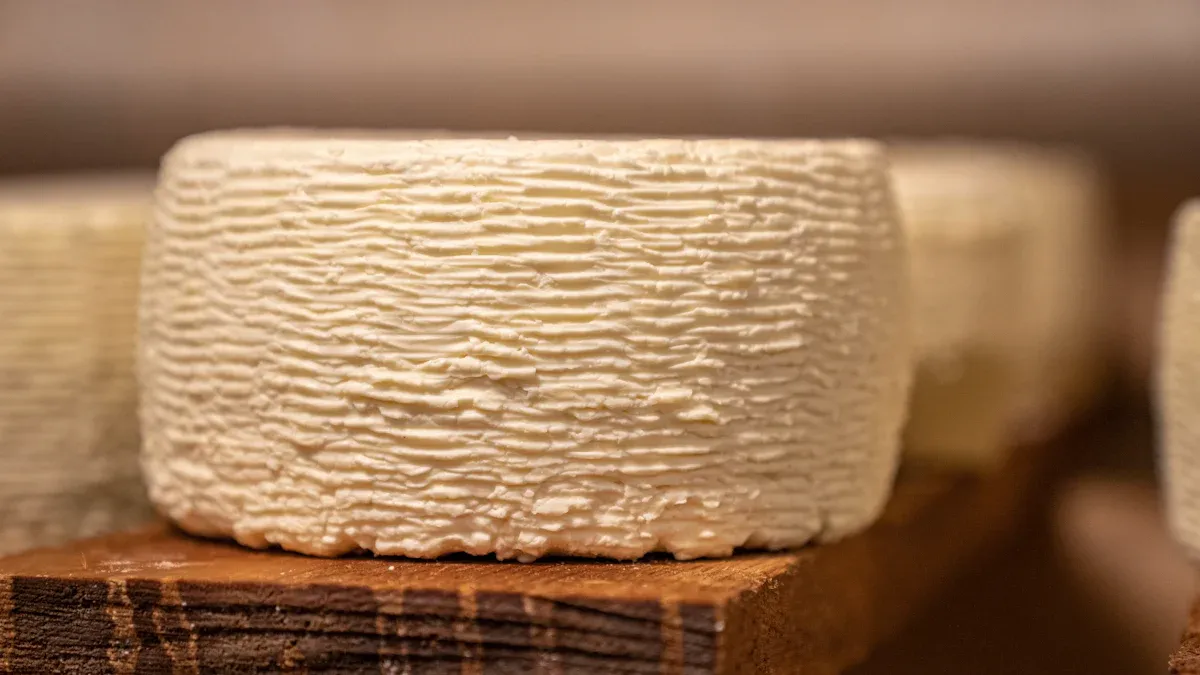
Hard cheese is known for being firm and sometimes grainy. When you press it, it feels heavy and solid. As hard cheese gets older, it can break apart easily. Tyrosine crystals show up in these cheeses as they age. These small, crunchy pieces form over time and give a nice crunch that many people like. People often use hard cheese by grating it on pasta, salads, or soups. It keeps its shape and gives a strong taste. Cheese cakes and mousse cakes from Suzhou Fulan Sweet Food Co., Ltd. can use hard cheese for its special texture. This makes every bite more fun.
Moisture Content
Hard cheese does not have much moisture, usually between 30% and 40%. Because of this, it is firmer than soft or semi-hard cheese. Less water helps hard cheese last longer and not spoil quickly. This makes it good for grating and slicing. The low moisture also makes the taste stronger. When used in frozen cakes or other desserts, hard cheese adds flavor without making them wet.
Aging
Aging is very important for hard cheese. Most hard cheeses age for at least nine months. Some age for many years. Enzymes break down proteins and fats during this time. This changes the cheese from firm and bendy to hard and crumbly. Tyrosine crystals form as the cheese gets older, adding crunch. The taste of hard cheese changes as it ages. Young cheese tastes mild and buttery. Older cheese tastes rich, nutty, and full of umami, with hints of caramel or fruit. The color gets darker, from pale yellow to gold. Cheese experts like Maria Rossi say these changes make aged cheese great for cooking or eating alone. Many people pick hard cheese for its strong taste and long shelf life. It is popular in both savory foods and desserts.
Tip: When picking hard cheese for recipes or cheese cakes, look for small crystals and a deep golden color. These signs mean the cheese is well-aged and will taste and feel the best.
Definition and Classification
Industry Standards
Cheese experts and food makers use set rules for hard cheese. These rules help people know what each cheese is like. Most rules look at three main things:
Moisture Content:
Hard cheeses have 30% to 40% moisture. This low moisture makes them firm and easy to grate. It also helps them last longer than soft cheeses.
Texture and Structure:
Hard cheeses feel dense and solid. They can be grainy too. They do not bend much. When you cut them, they may break or crumble. Tyrosine crystals show up in older hard cheeses. These crystals give a nice crunch.
Aging Time:
Hard cheeses age for at least nine months. Some, like Parmigiano Reggiano, age for years. Longer aging gives more flavor and a firmer feel.
Cheese Type | Moisture Content | Typical Aging Time | Texture |
Hard Cheeses | 30-40% | 9 months to years | Firm, crumbly |
Semi-Hard Cheeses | 40-50% | 2-9 months | Elastic, smooth |
Soft Cheeses | 50-80% | Few days to weeks | Creamy, spreadable |
Note: These rules help bakers and chefs pick the right cheese. Cheese cakes and mousse cakes from Suzhou Fulan Sweet Food Co., Ltd. often use hard cheeses for their strong taste and firm feel.
Legal Criteria
Governments and food safety groups also make rules for hard cheese. These rules keep people safe and make sure cheese is good quality.
Moisture Limits:
Many places say hard cheese must have less than 40% moisture. This keeps the cheese safe and lets it last longer.
Fat Content:
Some laws say hard cheese must have enough fat. This makes sure the cheese tastes rich and feels right.
Labeling and Classification:
Laws often say cheese must have clear labels. Makers must say if cheese is hard, semi-hard, or soft. This helps buyers pick the right cheese.
Comparison with Other Cheeses:
Hard cheeses are different from semi-hard and soft cheeses:
Hard cheeses have the least moisture and age the longest.
Semi-hard cheeses, like young Gouda, have more moisture and are softer.
Soft cheeses, like Brie, are creamy and spread easily. They have a lot of moisture.
Tip: When buying cheese cakes or frozen cakes, check the label for moisture and aging. This helps you choose the best hard cheese.
Hard cheeses are special because of their strict moisture and aging rules. These rules make them great for grating, slicing, and adding strong flavor to foods. Suzhou Fulan Sweet Food Co., Ltd. uses these cheeses in many products, like cheese cakes and mousse cakes, to give the best taste and texture.
Types of Hard Cheese
Popular Varieties
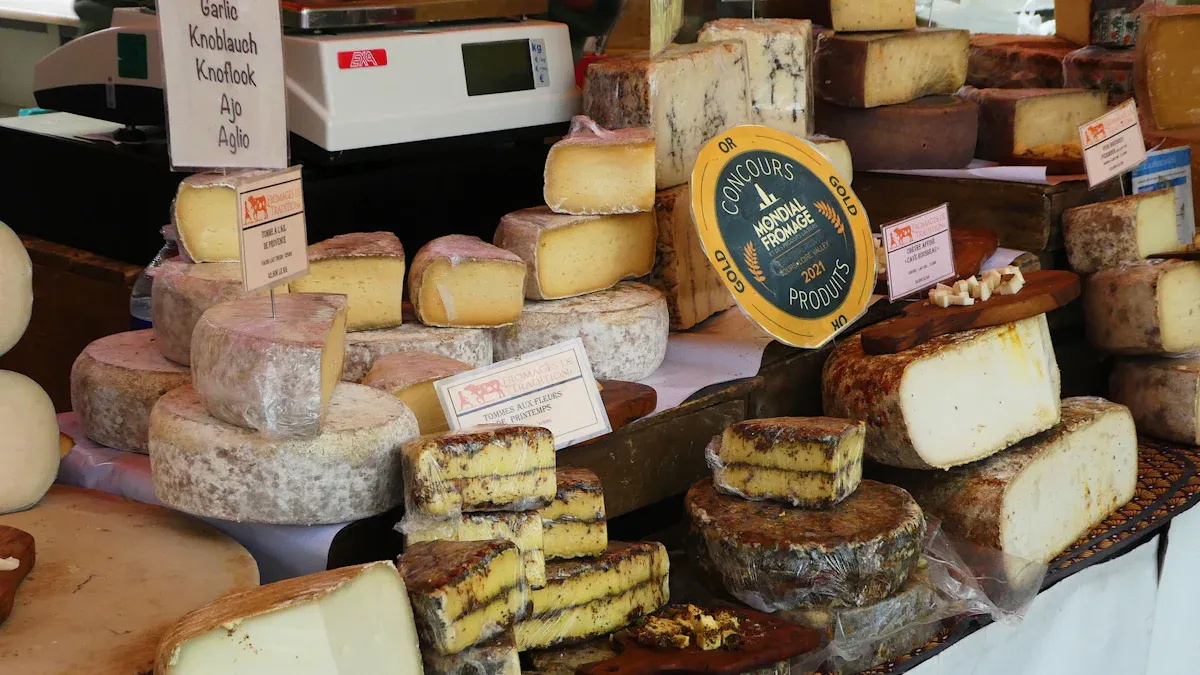
Hard cheese comes in many types from different countries. Each one tastes and feels a little different. Parmesan is one of the most famous hard cheeses. People like to grate parmesan on pasta, salads, and even cheese cakes. Cheddar is also very popular. Extra sharp cheddar cheese and aged white cheddar have strong flavors and break apart easily. These cheeses are good in frozen cakes and mousse cakes made by Suzhou Fulan Sweet Food Co., Ltd.
Here is a table with three well-known hard cheeses:
Cheese | Origin and History | Maturation Period | Flavor Profile |
Parmigiano Reggiano | This cheese started in Parma and Reggio, Italy. It was first made in 1254 by monks and rich families. | It ages at least 12 months, but can age up to 30-36 months for the best taste. | At first, it tastes mild with yogurt and fruit flavors. As it gets older, it tastes nutty and a little spicy. It breaks apart easily. |
Pecorino Romano | This cheese is made from sheep’s milk in Lazio, Italy. Long ago, Roman soldiers ate it. | It ages at least 5 months, but gets sharper after 8 months or more. | It tastes a little tangy and spicy. The flavor gets stronger as it ages. It has rich and earthy flavors. |
Grana Padano | This cheese comes from the Po Valley in Northern Italy. It was first made in a monastery in the 1100s. | It ages at least 16 months, but can age over 2 years for more flavor. | At first, it tastes mild and milky. As it ages, it gets grainy and sweet. Older cheese tastes buttery and nutty. |
Other hard cheeses you might know are asiago, manchego, comté, gruyère, emmental, and gouda. Parmesan and asiago are both from Italy and taste strong and nutty. Cheddar, especially extra sharp cheddar cheese, is well known in England and the United States. Aged white cheddar has a rich, tangy taste that many people like.
Note: Hard cheeses like parmesan and cheddar make both sweet and salty foods taste better. Suzhou Fulan Sweet Food Co., Ltd. uses these cheeses to make their cheese cakes and frozen desserts taste special.
Milk Sources
Hard cheeses are made from different kinds of milk. Parmesan, asiago, and cheddar use cow’s milk. Pecorino Romano is made from sheep’s milk, so it tastes sharper and earthier. Manchego is also made from sheep’s milk and comes from Spain. Some cheeses, like gruyère and emmental, use cow’s milk and come from Switzerland and France. The kind of milk changes how the cheese tastes, feels, and looks.
There are many hard cheeses to choose from for every taste. Some people like the nutty taste of parmesan. Others like the sharp flavor of extra sharp cheddar cheese. Some enjoy the smooth taste of asiago. There is a hard cheese for every recipe. These cheeses are great in mousse cakes and frozen cakes, so both chefs and people at home like to use them.
Hard Cheese vs. Other Cheeses
Hard vs. Soft
Hard cheese and soft cheese look and feel very different. Hard cheese has a firm, crumbly texture and low moisture. Soft cheese feels creamy and smooth. It has much more water inside. People can spread soft cheese on bread or crackers. Hard cheese works best for grating or slicing.
Feature | Hard Cheese | Soft Cheese |
Texture | Firm, crumbly, grainy | Creamy, spreadable |
Moisture | 30-40% | 50-80% |
Aging | 9 months to several years | Few days to weeks |
Use | Grating, slicing, baking | Spreading, dipping, baking |
Soft cheese, like Brie or Camembert, tastes mild and fresh. Hard cheese, such as Parmigiano Reggiano, gives a strong, nutty flavor. People often use hard cheese in cheese cakes and frozen cakes from Suzhou Fulan Sweet Food Co., Ltd. because it adds rich taste and texture.
Tip: Hard cheese lasts longer in the fridge than soft cheese. This makes it a smart choice for recipes that need a bold flavor and longer shelf life.
Hard vs. Semi-Hard
Semi-hard cheese sits between hard and soft cheese. It feels elastic and smooth. It has more moisture than hard cheese but less than soft cheese. Cheeses like young Gouda or Edam are semi-hard. They age for two to nine months.
Feature | Hard Cheese | Semi-Hard Cheese |
Texture | Firm, crumbly, grainy | Elastic, smooth |
Moisture | 30-40% | 40-50% |
Aging | 9 months to several years | 2-9 months |
Use | Grating, slicing, baking | Slicing, melting, snacking |
Semi-hard cheese melts well and works in sandwiches or on pizza. Hard cheese gives a sharper taste and holds its shape when grated. Both types can appear in mousse cakes and frozen desserts, but hard cheese brings a deeper flavor.
Note: When choosing cheese for baking or desserts, think about the texture and flavor you want. Hard cheese gives a bold taste and firm bite, while semi-hard cheese offers a milder, smoother feel.
For more ideas on using hard cheese in cheese cakes, frozen cakes, and mousse cakes, visit the product pages at Suzhou Fulan Sweet Food Co., Ltd. Their wide range of frozen desserts lets everyone find the perfect match for any recipe.
Uses and Importance
Cooking
Hard cheese is important in many dishes. Chefs and people at home use it for its strong taste and firm feel. When you grate hard cheese on pasta, salads, or soup, it makes the food taste richer. Many people put hard cheese in cheese cakes and mousse cakes. The low moisture helps desserts keep their shape. Suzhou Fulan Sweet Food Co., Ltd. uses hard cheese in frozen cakes and layer cakes to make the flavor just right. Hard cheese melts slowly, so it is good for baking and gratins.
Tip: Grate hard cheese right before eating for the best taste and smell.
Storage
Storing hard cheese the right way keeps it fresh and safe. Hard cheese lasts longer than soft cheese because it has less water. Keep hard cheese in the fridge, wrapped in wax paper or cheese paper. This wrapping lets the cheese breathe and stops mold from growing. Hard cheese can stay good for weeks or even months if you store it well. Frozen cakes and desserts from Suzhou Fulan Sweet Food Co., Ltd. also last longer because of hard cheese.
Cheese Type | Storage Method | Shelf Life |
Hard Cheese | Fridge, wrapped in paper | 3-6 weeks |
Soft Cheese | Fridge, airtight container | 1-2 weeks |
Dietary Notes
Hard cheese is good for many diets. Most hard cheeses have less lactose than soft cheeses. People who cannot eat much lactose can often eat hard cheese without problems. Hard cheese also has a lot of protein and calcium, which helps your bones. When you use hard cheese in cheese cakes or mousse cakes, it adds both nutrition and taste. Suzhou Fulan Sweet Food Co., Ltd. picks the best hard cheese for their foods to make customers happy.
Note: Always look at the label for ingredients and nutrition facts.
For more ways to use hard cheese in frozen cakes, cheese cakes, and other desserts, visit the Suzhou Fulan Sweet Food Co., Ltd. product page. See how hard cheese can make your favorite foods and desserts even better!
Hard cheese is special because it is firm and dry. It also ages for a long time. Knowing these things helps people pick the best cheese. You can use hard cheese in many foods.
Hard cheese is great for cheese cakes, frozen cakes, and mousse cakes from Suzhou Fulan Sweet Food Co., Ltd.
It gives a strong taste and helps desserts stay fresh.
Want more ideas or products? Visit the Suzhou Fulan Sweet Food Co., Ltd. product page to see how hard cheese can make your desserts better.
FAQ
What makes hard cheese different from soft cheese?
Hard cheese has less moisture and a firmer texture. Soft cheese feels creamy and spreads easily. Hard cheese works well for grating or slicing. Soft cheese is best for spreading on bread or crackers.
Can people with lactose intolerance eat hard cheese?
Most hard cheeses have very low lactose. Many people with lactose intolerance can enjoy hard cheese without problems. Always check the label for details.
How should hard cheese be stored for best freshness?
Wrap hard cheese in wax paper or cheese paper. Store it in the refrigerator. This method helps the cheese stay fresh and keeps its flavor strong.
What are some popular uses for hard cheese in desserts?
Hard cheese adds rich flavor to cheese cakes, mousse cakes, and frozen cakes. Suzhou Fulan Sweet Food Co., Ltd. uses hard cheese to improve taste and texture in many desserts.
Does the type of milk affect the flavor of hard cheese?
Yes. Cow’s milk, sheep’s milk, and goat’s milk each give hard cheese a unique taste. For example, Manchego uses sheep’s milk, while cheddar uses cow’s milk.


