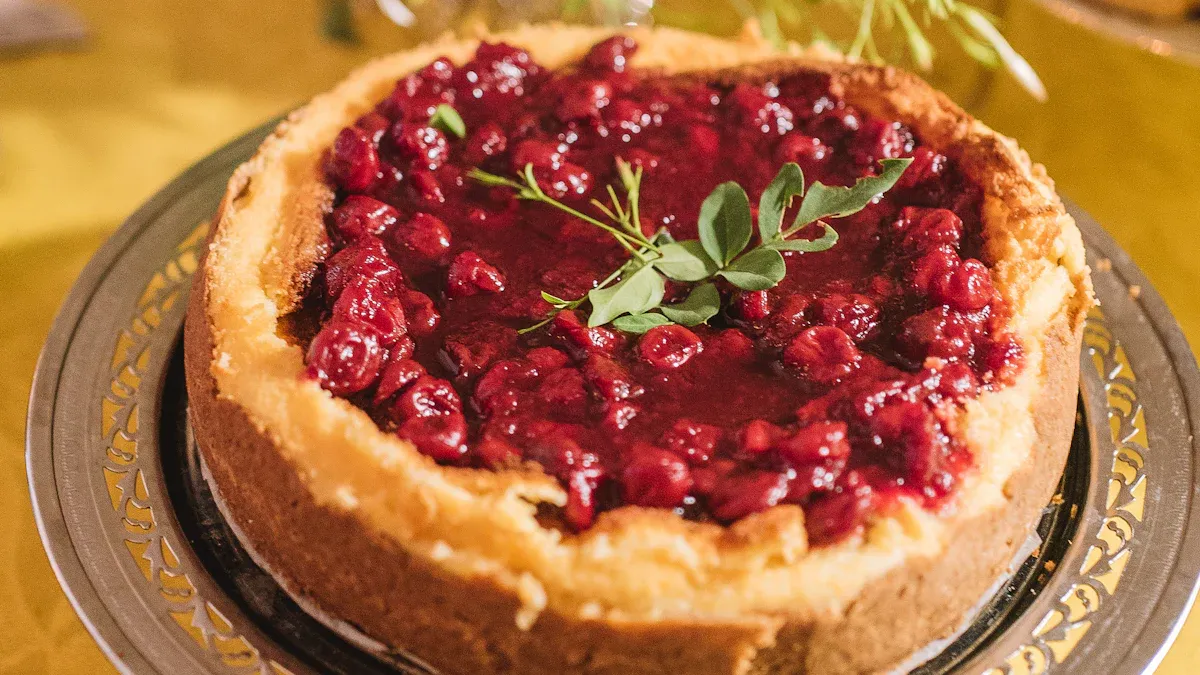
If you have ever wondered about the difference between Basque cheesecake and regular cheesecake, you can see the difference quickly. Basque cheesecake does not have a crust. It bakes at a high heat, which gives the top a caramelized and almost burnt appearance. The inside is light and fluffy, resembling a soufflé. In contrast, regular cheesecake typically has a cookie crust and features a thick, smooth texture.
Key Takeaways
Basque cheesecake does not have a crust. Its top looks burnt. The middle is soft and creamy. This makes it look special and different.
Regular cheesecake has a thick, smooth filling. It sits on a cookie crust. This dessert feels classic and cozy.
The way you bake them is not the same. Basque cheesecake bakes hot and fast. Regular cheesecake bakes slow and cool.
Basque cheesecake is simple to make. It needs fewer things. Regular cheesecake takes more time and care.
Pick Basque cheesecake for a bold dessert. Pick regular cheesecake for a fancy, classic treat.
Appearance: Basque vs. Regular Cheesecake
Burnt Top and Rustic Look of Basque Cheesecake
When you see a Basque cake, you notice the difference right away. The top looks dark, almost burnt, because it bakes at a high temperature. The sides wrinkle and crack, giving it a rustic, homemade vibe. You might think it looks messy, but that’s part of the charm. The center often jiggles when you move it, showing off its gooey texture. If you cut into it, you’ll find a creamy, silky middle that feels light and airy.
Tip: If you want a dessert that stands out on the table, Basque cake grabs attention with its dramatic color and imperfect shape.
People often react with surprise when they see Basque cake for the first time. The deep brown top and uneven edges make it look bold and different from other cheesecakes. You don’t see a crust, just a golden, caramelized surface that promises a sweet, rich flavor.
Smooth, Uniform Finish of Regular Cheesecake
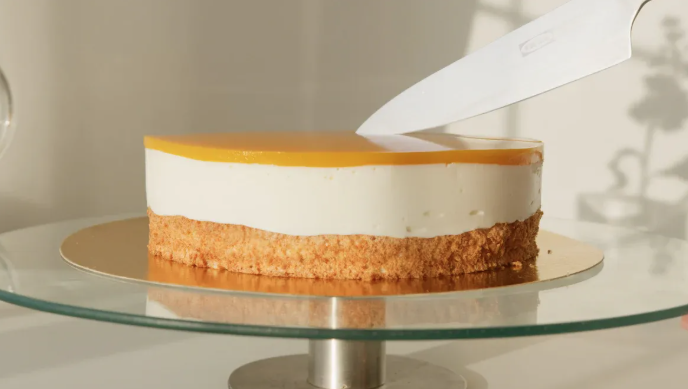
Regular cheesecake, like New York-style, looks polished and classic. You see a smooth, pale top, sometimes with a gentle golden hue. The sides stay neat, and the crust forms a perfect base. When you slice it, the inside appears dense and firm, holding its shape well. The surface rarely cracks, and the whole cake looks refined.
Here’s a quick comparison from taste tests:
Characteristic | Basque Cheesecake (Basque cake) | New York-Style Cheesecake |
Appearance | Burnt top, wrinkled sides | Iconic graham cracker crust |
Texture | Light, airy, soufflé-like | Smooth, dense middle |
Taste | Sweeter, packs more flavor | Cream cheese dominant flavor |
If you want a dessert that looks perfect for a party or special event, regular cheesecake fits the bill. The uniform finish and classic crust make it a favorite for many. You get a cake that looks as good as it tastes.
Texture and Interior: The Difference Between Basque and Regular Cheesecake
Light, Airy, and Custardy Basque Cheesecake
Basque cake feels different when you eat it. The inside is light, like a soufflé. If you shake the pan, the middle jiggles. The center is gooey and creamy. It melts on your tongue and feels custardy. This texture comes from a few things:
The batter has more eggs than cream cheese. This makes it thinner.
Heavy cream makes it rich but keeps it soft.
Baking at high heat cooks the outside fast. The middle stays soft and almost molten.
Bakers say Basque cheesecake is fluffier and gooier than regular cheesecake. The top is caramelized and sweet with a little crunch. Every bite is interesting. Sometimes, the center feels like flan. Eggs and cream work together with the quick, hot bake to make this happen.
Here’s what makes Basque cake’s texture special:
Feature | Basque Cheesecake |
Texture | Light, airy, custardy |
Center | Gooey, jiggly, creamy |
Mouthfeel | Fluffy, melts in mouth |
Baking Temperature | High, short time |
Note: The difference starts with the batter and ends with the bake. Basque cake feels like cheesecake mixed with custard.
Dense, Rich, and Smooth Regular Cheesecake
Regular cheesecake feels very different. The texture is dense and rich. Each slice keeps its shape. The filling is smooth and velvety. You taste the cream cheese right away. The cake feels heavy, but people like it.
Here’s why regular cheesecake is so dense and creamy:
Cream cheese is the main ingredient. It makes the cake thick.
Egg whites and yolks help the cake set firm.
Sour cream or heavy cream adds extra richness.
Baking at a low temperature, sometimes with a water bath, cooks the cake slowly and evenly.
New York-style cheesecake uses sour cream or crème fraîche. These make the cake dense but not airy. The cake is smooth and satisfying.
Let’s look at both textures side by side:
Feature | Basque Cheesecake | Regular Cheesecake |
Texture | Light, airy, custardy | Dense, rich, smooth |
Center | Gooey, jiggly | Firm, holds shape |
Mouthfeel | Fluffy, melts in mouth | Velvety, creamy |
Baking Temperature | High, short time | Low, slow, even |
You can taste the difference when you try both cakes. Basque cake is lighter and fun. Regular cheesecake gives you a classic, creamy bite.
Flavor Profiles: Basque vs. Regular Cheesecake
Eggy, Custardy, and Caramelized Notes in Basque Cheesecake
When you eat Basque cake, the flavor stands out. The top tastes like caramel and a little burnt sugar. This part is bittersweet and different from the creamy middle. The inside is eggy and custardy, kind of like flan. You can taste the cheese, but it is not very sweet. There is less sugar, so the vanilla and cream cheese flavors are stronger. If you like desserts that are surprising, Basque cake gives you both creamy and bold tastes.
Here’s what you might taste in Basque cake:
Caramelized, burnt sugar on top
Custardy, egg-rich middle
Cream cheese flavor that’s not too sweet
Hints of vanilla
Tip: If you want a cheesecake that is less sweet and has more cheese and eggs, Basque cake is a good pick.
The difference between Basque and regular cheesecake starts with this special flavor mix. The burnt top and gooey center make each bite exciting.
Tangy, Sweet, and Rich Taste of Regular Cheesecake
Regular cheesecake has a classic taste. The first thing you notice is the tang from the cream cheese. Sour cream or heavy cream makes it even richer. The sweetness is just right, so you get a smooth, creamy flavor that is not too strong. There are no burnt flavors here. The taste is mellow and sweet, great for people who like traditional desserts.
Let’s break down the flavor of regular cheesecake:
Flavor Element | Basque Cheesecake | Regular Cheesecake |
Sweetness | Less sweet, subtle | Balanced, classic |
Tanginess | Mild, cheese-forward | Tangy, creamy |
Caramelization | Burnt, bittersweet top | None |
Richness | Custardy, eggy | Dense, creamy |
If you want a dessert that feels familiar and cozy, regular cheesecake is a good choice. The difference between Basque and regular cheesecake really shows in the flavor. Basque cake has bold, caramelized notes, while regular cheesecake is smooth and tangy.
Ingredients: What Sets Basque Cheesecake Apart
Simple Ingredients in Basque Cheesecake
Basque cheesecake only needs a few things. Most people already have these at home. This cake is easy for anyone to make. You do not need special items or a big shopping trip.
Here’s what you usually need for Basque cheesecake:
Ingredient | Amount/Notes |
Cream cheese | 750 g (1.5 lb), room temperature |
Sugar (caster or regular) | 1 cup |
Whipping cream | 1 1/4 cups, slightly chilled |
Eggs | 4-5 large, lightly whisked, room temperature |
Flour (plain/all-purpose) | 1/4 cup |
Vanilla extract or paste | 1 teaspoon |
There is no crust in this cake. You do not need sour cream or toppings. The main parts are cream cheese, eggs, and cream. This makes Basque cake light and soft inside. The middle shakes a little when you move it. Baking at a high heat makes the sugar on top turn brown. This gives the cake a golden color and a little burnt taste.
Tip: Basque cheesecake is easy to make and does not need many things.
Richer, More Complex Ingredients in Regular Cheesecake
Regular cheesecake, like New York style, uses more things. The list is longer and there are more steps. The crust needs its own things, like graham crackers, butter, and sugar.
Here’s what you might find in a regular cheesecake recipe:
Cream cheese (main ingredient)
Sugar
Eggs
Sour cream or heavy cream
Vanilla extract
Flour or cornstarch
Graham crackers or cookies (for the crust)
Butter (for the crust)
Optional toppings (fruit, chocolate, caramel)
The crust makes a crunchy bottom layer. Sour cream or heavy cream makes the cake thick and rich. Some recipes use extra flavors or toppings. These can make the cake sweeter and heavier.
Let’s compare the two side by side:
Feature | Basque Cheesecake | Regular Cheesecake |
Ingredient List | Simple, just a few basics | Longer, more complex |
Crust | None | Yes, usually graham cracker or cookie |
Cream | Whipping cream | Sour cream or heavy cream |
Texture | Light, custardy | Dense, creamy |
Toppings | None needed | Often added |
You can taste the difference right away. Basque cake is lighter and not as sweet. Regular cheesecake is richer and fills you up more. The extra things in regular cheesecake make it smooth and thick. Basque cake stays soft and airy.
If you want a simple dessert that tastes like cream cheese, try Basque cheesecake. If you like a rich treat with a crunchy crust, regular cheesecake is for you.
Basque cheesecake uses fewer things, so it has fewer calories and is lighter.
Regular cheesecake’s crust and toppings add more fat and sugar, so it is heavier.
Note: The things you use will change how your cheesecake tastes and feels. Simple cakes let you taste each part. Cakes with more things mix flavors for a richer bite.
Baking Methods: High Heat vs. Gentle Bake
High-Temperature Baking for Basque Cheesecake
When you bake a Basque cake, you use a hot oven. The temperature usually sits at 400°F for about 50 to 55 minutes. If you want an even darker top, you can turn the heat up to 425°F or even 450°F for the last 10 minutes. This high heat gives Basque cake its famous burnt top and gooey center. You do not need a water bath or any fancy tricks. You just pour the batter into a lined pan and let the oven do the work.
Here’s what happens in the oven:
The outside cooks fast and turns deep brown.
The inside stays soft, creamy, and a little jiggly.
The top gets caramelized, almost like toasted sugar.
Tip: Don’t worry if the top looks burnt. That’s the signature look of Basque cake!
You get a rustic dessert that feels homemade. The high heat creates cracks and wrinkles on the sides. The center sinks a bit as it cools, making every Basque cake unique.
Low-Temperature, Water Bath for Regular Cheesecake
Regular cheesecake takes a gentler approach. You bake it at a lower temperature, usually around 325°F. Most recipes ask you to use a water bath. This means you place the cake pan inside a larger pan filled with hot water. The steam keeps the air moist and helps the cake bake slowly and evenly.
Why use a water bath? It keeps the texture smooth and creamy. The cake does not crack or dry out. You get a perfect, even finish every time.
Here’s a quick comparison:
Baking Method | Basque Cake (Basque Cheesecake) | Regular Cheesecake |
Oven Temperature | 400°F–450°F (high heat) | 325°F (gentle heat) |
Water Bath | Not used | Used |
Texture Result | Gooey, rustic, caramelized top | Smooth, creamy, even |
Appearance | Cracked, sunken, burnt top | Polished, no cracks |
You can see and taste the difference. Basque cake feels bold and rustic. Regular cheesecake feels classic and refined.
Crust: The Key Difference Between Basque and Regular Cheesecake
When you cut a Basque cake, you see it has no crust. Every bite is soft and creamy from the outside to the middle. Without a crust, Basque cake feels lighter and more gooey than regular cheesecake. You can taste the cream cheese better, and the flavor is stronger. The sweetness is gentle and not hidden by a crunchy bottom. If you like desserts that melt in your mouth, Basque cake is perfect for you.
Here’s what happens with no crust:
The cake stays light and soft.
The cream cheese flavor is stronger.
Each bite tastes a bit sweeter.
You do not need to make a crust or press crumbs in a pan. Just pour the batter and bake it. You get a golden cake that looks homemade and special.
Cookie or Graham Cracker Crust in Regular Cheesecake
Regular cheesecake is different because it almost always has a crust. The crust is at the bottom and gives the cake a nice crunch. Most recipes use graham crackers, but some use other cookies.
Popular crusts for regular cheesecake:
Graham cracker crust is classic and popular.
Nilla wafer crust is sweet and easy to make.
Buttery shortbread crust is used in New York-style cheesecake.
The crust adds flavor and crunch. It helps the cake keep its shape and makes every bite crunchy and smooth. If you want a dessert that feels classic, the crust in regular cheesecake is important.
Here’s a table to show the difference between Basque and regular cheesecake crusts:
Cheesecake Type | Crust Type | Texture Experience |
Basque Cake | None | Fluffy, gooey, creamy |
Regular Cheesecake | Graham cracker, cookie, or shortbread | Crunchy, creamy, dense |
You can see the difference by looking at the crust. Basque cake has no crust, so it is softer and more like custard. Regular cheesecake has a crunchy base, which gives it a classic taste and feel.
Serving and Presentation Styles
Rustic, Cracked, and Gooey Basque Cheesecake
When you serve Basque cake, you notice its bold look right away. The top is dark and almost burnt, while the middle sinks a little. The edges crack and wrinkle, giving it a homemade vibe. You don’t need to worry about perfect slices or neat lines. Each piece looks different, and that’s part of the fun.
Professional bakeries love the rustic style of Basque cake. The charred top and sunken center make it stand out on any dessert table. You get a gooey, custardy middle that jiggles when you cut into it. The cake feels soft and melts in your mouth.
You usually serve Basque cake at a warm temperature. The inside stays creamy and smooth, especially when the internal temperature is between 150 and 155ºF (65.5 to 68ºC). This makes every bite taste fresh and rich.
Here’s what you might see when you present Basque cake:
Cracked edges and uneven surface
Deep caramel color on top
Gooey, jiggly center
No crust, just creamy cake from top to bottom
Tip: If you want a dessert that looks dramatic and feels homemade, Basque cake is a great choice.
Refined, Sliced, and Smooth Regular Cheesecake
Regular cheesecake gives you a classic, polished look. The top is smooth and pale, sometimes with a gentle golden hue. The sides stay neat, and the crust forms a perfect base. You can slice it cleanly, and each piece holds its shape.
Bakeries often display regular cheesecake in perfect wedges. The surface looks flawless, and the crust adds a nice crunch. You might see fruit or chocolate toppings, but the cake itself stays smooth and even.
You can serve regular cheesecake chilled or at room temperature. The texture stays dense and creamy, making it easy to cut and plate.
Here’s a quick chart to show the difference:
Style | Basque Cake | Regular Cheesecake |
Appearance | Rustic, burnt, cracked | Smooth, polished, neat |
Center | Gooey, jiggly | Dense, firm |
Crust | None | Cookie or graham cracker |
Serving Temperature | Warm (150–155ºF) | Chilled or room temp |
Note: If you want a dessert that looks refined and slices perfectly, regular cheesecake is the way to go.
Origins and Popularity: Basque Cake vs. Classic Cheesecake
Basque Region’s Influence on Basque Cheesecake
When you think about Basque cake, you picture the rugged hills and lively streets of San Sebastián. This dessert started at La Viña, a cozy bar in the heart of the Basque Country. Santi Rivera, the chef, created the first Basque cheesecake in the late 1980s. Locals and travelers soon fell in love with its burnt top and creamy center. You can walk into La Viña today and see people from all over the world waiting for a slice.
Basque cake stands out because it breaks the rules. No crust, no fancy toppings—just pure, simple ingredients. The people of the Basque region take pride in this cake. It has become a symbol of their culture and food traditions. When you taste Basque cake, you taste the spirit of San Sebastián.
Basque cake is a cultural icon in the Basque Country.
The unique crustless style sets it apart from other cheesecakes.
La Viña’s version is famous and draws fans from everywhere.
Basque Cake Facts | Details |
Origin | San Sebastián, Basque Country |
Creator | Santi Rivera at La Viña |
First Served | Late 1980s |
Signature Feature | Burnt top, crustless, creamy center |
New York and Global Rise of Regular Cheesecake
Regular cheesecake, especially the New York style, has a story that stretches back even further. You might be surprised to learn that the roots go all the way to ancient Greece. Over time, the recipe traveled through Europe and landed in New York City. By the late 19th century, New Yorkers had made it their own. Philadelphia Cream Cheese, invented in New York, helped make the cake rich and smooth.
In the 1920s, Arnold Reuben, a famous restaurateur, put his own spin on the dessert. His version became a hit. Soon, almost every restaurant in New York served cheesecake. People loved the dense, creamy texture and the classic graham cracker crust. The dessert became a symbol of New York pride.
Today, you can find New York cheesecake everywhere. Each country adds its own twist, but the heart of the cake stays the same.
New York cheesecake became a city icon.
Cream cheese made the cake extra creamy.
Local versions appear worldwide, but the classic style remains popular.
Regular Cheesecake Facts | Details |
Origin | Ancient Greece → New York City |
Key Ingredient | Philadelphia Cream Cheese |
Popularized By | Arnold Reuben, 1920s |
Global Spread | Local twists, classic core stays strong |
Whether you crave the rustic charm of Basque cake or the classic taste of New York cheesecake, you join a long tradition of dessert lovers around the world.
Choosing Your Cheesecake: Which Is Right for You?
Taste Preferences and Occasions
Picking between Basque cake and regular cheesecake depends on what you like and the event. If you want a dessert that feels bold, Basque cake is a good choice. The burnt top and soft, jiggly middle make it exciting. You taste caramelized flavor and a custardy texture in every bite. This cake is great for birthdays, casual parties, or when you want to impress friends. It is different and stands out.
Regular cheesecake has a classic, rich taste. The filling is thick and smooth, and the crust is crunchy. This dessert feels familiar and comforting. You might choose it for holidays or family dinners. It is also good when you want a dessert everyone knows. You can add toppings like berries or chocolate sauce for more flavor.
Here’s a simple chart to help you pick:
Occasion | Basque Cake | Regular Cheesecake |
Casual get-together | Unique, rustic, bold | Classic, crowd-pleaser |
Special event | Dramatic, eye-catching | Elegant, refined |
Everyday treat | Light, custardy | Rich, creamy |
Tip: If you want to surprise guests, Basque cake always gets attention.
Baking Simplicity and Skill Level
You might wonder which cake is easier to make at home. Many bakers say Basque cake is simple. You only need a few ingredients. The steps are easy to follow. You mix, pour, and bake at high heat. There is no crust to make. But, getting the creamy center and burnt top just right takes practice. The cake can overbake fast if you are not careful.
Regular cheesecake needs more ingredients and steps. You have to make a crust and blend the filling. Most recipes use a water bath. Baking takes longer, and you must watch for cracks. The cake is smooth and dense, but it can be hard for beginners.
Here’s a quick list to compare:
Basque cake:
Regular cheesecake:
More ingredients and steps
Crust preparation required
Water bath often needed for smooth finish
Note: If you want a quick, rustic dessert, Basque cake is a great pick. If you like detailed baking and want a classic dessert, try regular cheesecake.
You can tell Basque and regular cheesecake apart in a few ways. Look at the crust, texture, flavor, and how they are baked. Basque cake does not have a crust. Its center is creamy and custardy. The top looks burnt and dark. Regular cheesecake has a crunchy crust. The inside is thick and smooth. Many people like Basque cake because it looks homemade. Its flavor is stronger, and it is easy to bake. You may see more friends posting Basque cake online. It stands out and feels real. Try both kinds to taste their special flavors and textures.
FAQ
What makes Basque cake different from regular cheesecake?
You will notice Basque cake has no crust and a burnt top. The inside feels light and custardy, not dense. Regular cheesecake usually has a cookie crust and a smooth, rich filling.
Can I make Basque cake without special equipment?
Absolutely! You just need a mixing bowl, whisk, and a springform pan lined with parchment paper. No water bath or fancy tools required. The high oven heat does most of the work for you.
Does Basque cake taste burnt?
Not really. The top looks burnt, but you taste caramelized sugar, not bitterness. The inside stays creamy and sweet. If you love a mix of flavors, you will enjoy Basque cake’s unique taste.
Is Basque cake gluten-free?
Most Basque cake recipes use a small amount of flour. You can swap in gluten-free flour if you want. Always check your ingredients to be sure.