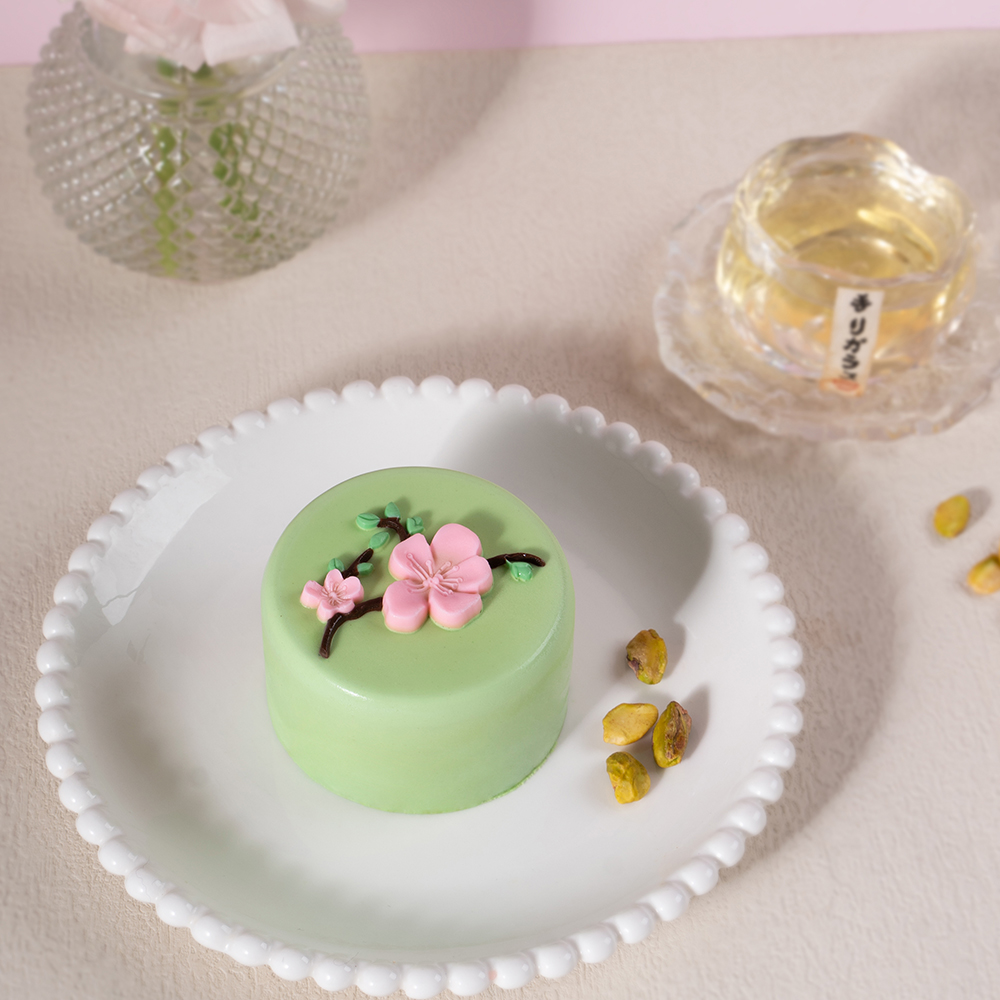
A stick of butter equals 8 tablespoons (1/2 cup). This standard measurement is essential for accurate cooking and baking results, especially when following recipes that require precise butter quantities.
Understanding butter measurements might seem simple, but it can become confusing when recipes use different units of measurement. Whether you're making a delicate mousse cake or a rich chocolate dessert, knowing exactly how many tablespoons in a stick of butter can make the difference between culinary success and disappointment.
Understanding Butter Measurements: The Basics
Butter is typically sold in blocks or sticks with clear measurement markings on the wrapper. In the United States, butter is commonly packaged in 1-pound boxes containing four individually wrapped sticks. Each stick represents a specific measurement that bakers and chefs rely on for consistency.
Standard butter measurements in the US:
1 stick of butter = 8 tablespoons
1 stick of butter = 1/2 cup
1 stick of butter = 4 ounces (by weight)
1 stick of butter = 113 grams
According to the Culinary Institute of America, precise measurements are particularly important in baking, where butter's fat content and distribution affect texture, rise, and flavor development. Even small measurement errors can significantly impact the final product.
Complete Butter Measurement Conversion Table
For quick reference, here's a comprehensive conversion table showing various butter measurements:
| Amount of Butter | Sticks | Cups | Tablespoons | Teaspoons | Ounces | Grams |
| 1 stick | 1 | 1/2 | 8 | 24 | 4 | 113 |
| 2 sticks | 2 | 1 | 16 | 48 | 8 | 227 |
| 3 sticks | 3 | 1 1/2 | 24 | 72 | 12 | 340 |
| 4 sticks (1 lb) | 4 | 2 | 32 | 96 | 16 | 454 |
| 1/2 stick | 1/2 | 1/4 | 4 | 12 | 2 | 57 |
| 1/4 stick | 1/4 | 1/8 | 2 | 6 | 1 | 28 |
| 1/8 stick | 1/8 | 1/16 | 1 | 3 | 1/2 | 14 |
This conversion chart is particularly useful when adjusting recipes that call for different butter measurements than what you have on hand or when scaling recipes up or down.
Common Butter Measurements for Different Recipes
Different types of recipes require varying amounts of butter. Understanding how many tablespoons in a stick of butter helps ensure you're using the right amount for each culinary creation.
Baking Essentials: Butter Quantities by Recipe Type
When preparing desserts, the amount of butter often varies based on the desired texture and richness:
Cookies: 1/2 to 1 stick (4-8 tablespoons)
Layer Cakes: 1 to 2 sticks (8-16 tablespoons)
Pie Crusts: 1 to 1 1/2 sticks (8-12 tablespoons)
Frosting: 1 to 3 sticks (8-24 tablespoons)
Quick Breads: 1/4 to 1/2 stick (2-4 tablespoons)
Premium desserts often require precise butter measurements to achieve their signature textures. For example, the rich, velvety consistency of Fulan Sweet's Mousse Cakes depends on exact butter proportions that create their characteristic smooth mouthfeel and perfect flavor balance.
Measuring Butter Without Wrappers or Markings
Sometimes you might need to measure butter that doesn't have wrapper markings or is sold in blocks rather than sticks. Here are reliable methods to measure butter without typical packaging guides:
Displacement Method
Fill a measuring cup with cold water to a specific level (e.g., 1 cup)
Add butter until the water rises to the desired level (e.g., 1 1/2 cups)
The difference (1/2 cup in this example) equals the volume of butter
Weight Measurement
Using a kitchen scale provides the most accurate results:
Chef Thomas Keller, renowned for his precision cooking, advocates using weight measurements rather than volume for butter. "Weighing ingredients, especially butter, ensures consistent results every time," notes Keller in his professional baking guide.
![International Butter Measurement Differences]()
International Butter Measurement Differences
Butter measurements vary across countries, which can create confusion when following international recipes. Understanding these differences is crucial when using recipes from various sources.
Butter Packaging Around the World
United States: Sold in 1-pound boxes with 4 sticks (each stick = 8 tablespoons)
Europe: Often sold in 250g blocks (approximately 17.6 tablespoons)
United Kingdom: Typically sold in 250g blocks or 500g blocks
Australia: Usually available in 250g or 500g blocks (not sticks)
When following recipes from different countries, it's important to convert measurements appropriately. For example, a European recipe calling for 100g of butter would require about 7 tablespoons, which is slightly less than one US stick of butter.
The Importance of Precise Butter Measurements in Baking
The exact amount of butter can dramatically affect your baking results. Professional pastry chefs understand that knowing how many tablespoons in a stick of butter is fundamental to recipe success.
How Butter Affects Different Baked Goods
In different dessert types, butter plays various crucial roles:
Cheese Cakes: Butter in the crust provides structure and prevents sogginess. Fulan Sweet's Cheese Cakes, including their popular Basque varieties, demonstrate how precise butter measurements in the graham cracker crust create the perfect foundation for the creamy cheese layer.
Chocolate Cakes: Butter contributes to moisture and richness. Too little results in dryness, while too much can cause collapse. Fulan Sweet's Dark Chocolate Cakes showcase the perfect butter balance, creating a moist crumb without heaviness.
Layer Cakes: Even butter distribution between layers ensures consistent texture and flavor. The intricate layers in Fulan Sweet's Fruit Layer Cakes require precise butter measurements to maintain structural integrity while delivering a tender crumb.
Holiday Cakes: Seasonal specialties often have unique butter requirements. Festive treats like Fulan Sweet's Christmas Cakes and Valentine's Cakes feature decorative elements that depend on butter's structural properties when properly measured.
According to Claire Saffitz, pastry chef and cookbook author, "Understanding the exact measurement of butter—knowing precisely how many tablespoons in a stick of butter—is essential for texture control in baking. Even a tablespoon too much or too little can change how a cake rises or how cookies spread."
Converting Butter Measurements for Recipe Scaling
When adjusting recipes to serve more or fewer people, knowing how to scale butter measurements becomes essential.
Common Scaling Conversions
For doubling a recipe:
1 stick (8 tablespoons) → 2 sticks (16 tablespoons)
1/4 cup (4 tablespoons) → 1/2 cup (8 tablespoons)
2 tablespoons → 4 tablespoons (1/4 cup)
For halving a recipe:
1 stick (8 tablespoons) → 1/2 stick (4 tablespoons)
1/2 cup (8 tablespoons) → 1/4 cup (4 tablespoons)
3 tablespoons → 1 1/2 tablespoons
When creating spectacular desserts for larger gatherings, these scaling principles ensure consistent results whether making a single cake or multiple servings of sophisticated treats like Fulan Sweet's assorted Mousse Cakes for special events.
Butter Substitutions and Equivalent Measurements
Sometimes you might need to substitute butter with another fat. Understanding equivalent measurements helps maintain recipe integrity.
Common Butter Substitutes
Oil: Use 3/4 the amount of butter called for (6 tablespoons oil = 8 tablespoons/1 stick butter)
Shortening: Use equal amounts (8 tablespoons shortening = 8 tablespoons/1 stick butter)
Margarine: Use equal amounts, but texture may differ
Applesauce: For reduced-fat baking, use equal amounts, but reduce other liquids
Greek Yogurt: Use half the amount of butter (4 tablespoons yogurt = 8 tablespoons/1 stick butter)
While substitutions can work in many recipes, premium desserts often rely on butter's unique properties. Professional bakeries like Fulan Sweet use precise butter measurements in their Chocolate Layer Cakes because butter's fat composition creates a distinctive mouthfeel that substitutes cannot fully replicate.
Expert Tips for Measuring and Using Butter in Recipes
Professional bakers have developed techniques to ensure optimal results when measuring and using butter in various recipes.
Temperature Considerations
Butter's temperature affects measurement accuracy and recipe performance:
Room temperature butter (65-67°F) is ideal for creaming with sugar in cakes and cookies
Cold butter (straight from refrigerator) is best for flaky pastries and pie crusts
Melted butter creates denser, chewier textures in cookies and brownies
Chef Christina Tosi, founder of Milk Bar, emphasizes that "temperature is as important as measurement. Knowing how many tablespoons in a stick of butter is step one; understanding what temperature that butter should be is equally crucial."
Measuring Techniques for Maximum Accuracy
When precision matters:
Cut butter along wrapper markings for tablespoon measurements
Use a digital scale for gram measurements
Allow cold butter to soften properly (30-45 minutes at room temperature)
Level butter in measuring cups with a straight edge
These techniques are especially important when preparing delicate desserts like the elegant individual portions in Fulan Sweet's Classic Singles Mousse Cakes collection, where precise butter measurements ensure consistent texture in every bite.
FAQs About Butter Measurements
Q1: Does 8 tablespoons equal 1 stick of butter?
A1: Yes, 8 tablespoons equals exactly 1 stick of butter in US measurements. This is a standard conversion that applies to all American butter sticks, which are uniformly sized and wrapped with measurement markings.
Q2: Is 16 tablespoons 2 sticks of butter?
A2: Yes, 16 tablespoons equals 2 sticks of butter. This is also equivalent to 1 cup or 8 ounces (by weight) of butter.
Q3: What is 6 tablespoons of butter?
A3: 6 tablespoons of butter equals 3/4 of a stick, 3 ounces (by weight), or approximately 85 grams. It's also equivalent to 1/3 cup plus 1 tablespoon of butter.
Q4: Is 8oz of butter 1 stick?
A4: No, 8oz of butter equals 2 sticks. Each stick of butter weighs 4 ounces (113 grams), so 8 ounces would be 2 complete sticks or 16 tablespoons.
Q5: How many cups in a stick of butter?
A5: There is 1/2 cup in a stick of butter. When recipes call for 1/2 cup of butter, you can simply use 1 full stick.
Q6: How many grams in a stick of butter?
A6: A standard US stick of butter weighs approximately 113 grams. This conversion is useful when following recipes that use metric measurements.
Q7: How many ounces in a stick of butter?
A7: A stick of butter weighs 4 ounces. This weight measurement is consistent across US butter brands.
Q8: How many sticks of butter is 1/2 cup?
A8: 1/2 cup of butter equals 1 stick. This is also equivalent to 8 tablespoons or 4 ounces.
Q9: How many tablespoons is half a stick of butter?
A9: Half a stick of butter equals 4 tablespoons. This is also equivalent to 1/4 cup or 2 ounces (by weight).
Q10: How many tablespoons in a cup of butter?
A10: There are 16 tablespoons in a cup of butter. This equals 2 sticks or 8 ounces (by weight).
Q11: How many teaspoons in a tablespoon?
A11: There are 3 teaspoons in 1 tablespoon. Therefore, 1 stick of butter (8 tablespoons) equals 24 teaspoons.
How Precise Butter Measurements Impact Professional Desserts
Professional bakeries understand that precise measurements—knowing exactly how many tablespoons in a stick of butter—directly affect quality and consistency. Fulan Sweet, specializing in premium frozen desserts, exemplifies this attention to detail in their production process.
The Science Behind Perfect Texture
The ratio of butter to other ingredients determines critical aspects of dessert quality:
Emulsion stability: Proper butter measurement ensures stable emulsions in mousses and creams
Fat distribution: Even distribution creates consistent mouthfeel and flavor release
Structure development: Correct butter amounts provide optimal structure in layered desserts
Professional pastry chef Dominique Ansel explains that "precision in butter measurement isn't just about following recipes—it's about understanding how butter functions chemically and physically in different applications."
From Home Baking to Professional Production
While home bakers might occasionally estimate measurements, professional production requires absolute precision. Fulan Sweet's production facilities maintain strict standards for measuring ingredients, ensuring their Mousse Cakes, Cheese Cakes, and Chocolate Cakes maintain consistent quality across all production batches.
This consistency is especially critical for signature products like their Dream Butterfly Mousse Cake and Sea Salt Basque Cheese Cake, where precise butter measurements contribute to their distinctive textures and flavors.
Conclusion
Understanding how many tablespoons in a stick of butter—8 tablespoons—is fundamental knowledge for anyone who enjoys cooking and baking. This simple conversion serves as the foundation for countless recipes, from everyday cookies to sophisticated desserts.
Whether you're preparing a simple batch of cookies or attempting an elaborate layer cake, precise butter measurements make the difference between good results and great ones. Professional bakeries like Fulan Sweet demonstrate the importance of measurement precision in creating consistently excellent products.
By mastering butter conversions and measurement techniques, you'll gain confidence in the kitchen and achieve more predictable, delicious results in all your culinary creations. Remember that baking is a science where precision matters, and knowing your measurements—particularly how many tablespoons in a stick of butter—is a key ingredient in your recipe for success.
The next time you unwrap a stick of butter for your favorite recipe, you'll have the knowledge to measure with confidence, whether the recipe calls for tablespoons, cups, ounces, or grams. This understanding opens up a world of culinary possibilities, from international recipes to creative adaptations of your own.